





Fun fact: Porcupine quills are modified hairs coated in keratin, a protein found in human hair and nails. These stiff, hollow structures don't shoot through the air (no matter what campfire stories claim), but they do detach on contact and lodge into predators with ease. Not bad for such slow-moving animals.
So quill you'll be surprised to learn that porcupine quills aren't tiny spears flying across the trail? These remarkable structures are more like built-in body armor than weapons, and they're among nature's most impressive designs.
If you're an animal-loving family, an adventurous solo-traveler, or a mom always hunting for cool, kid-friendly facts to share on your next Florida trip, this one's for you!
At Wild Florida Adventure Park, our team works directly with wildlife daily, from spotting them on Everglades airboat tours to participating in hands-on animal encounters. These are great ways for us to share what we've learned in fun, memorable, and grounded ways.
So if you've ever wondered what makes these chunky little creatures so confident waddling through the savanna, the answer is covering their backs, literally.
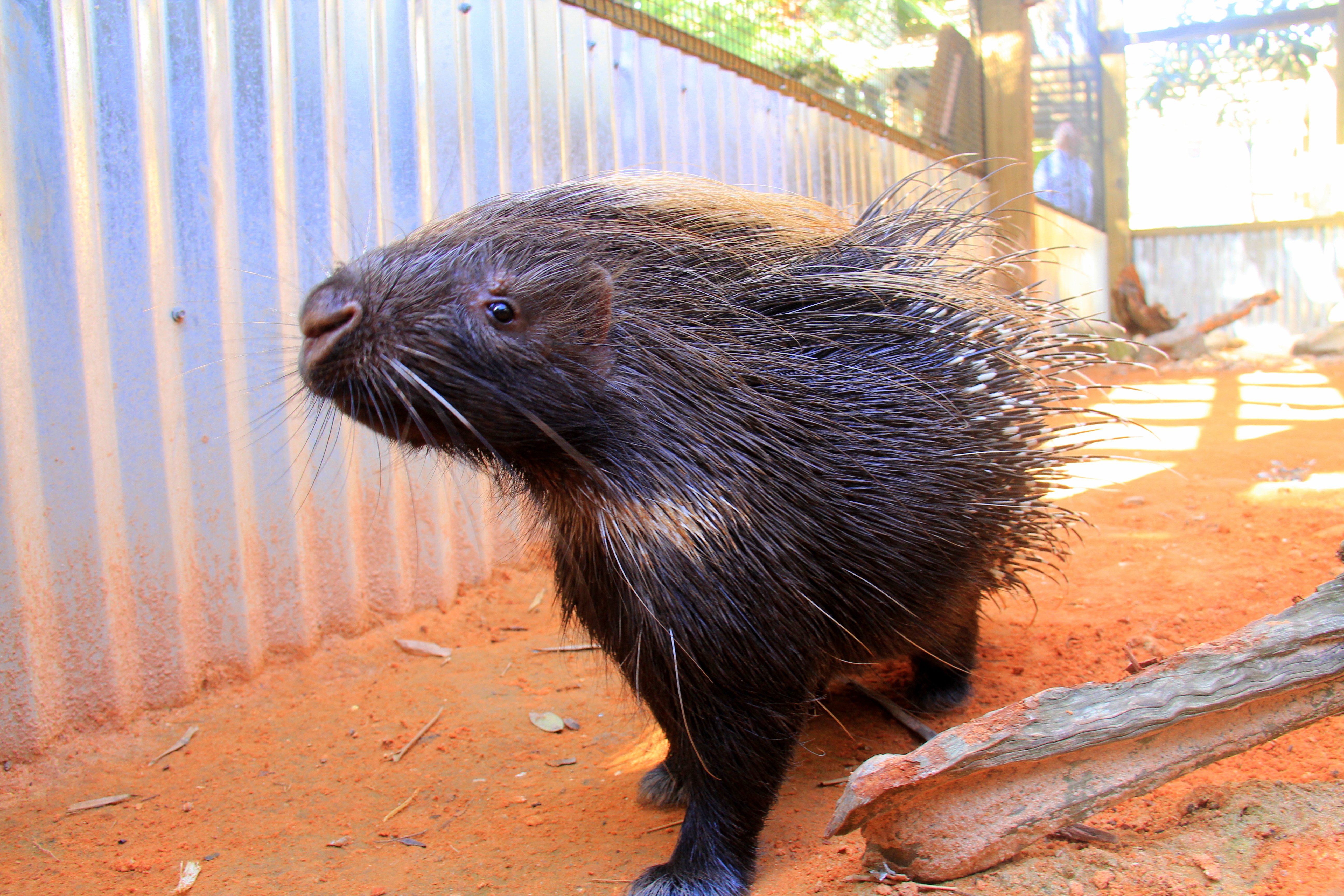
What Are Porcupine Quills, Really?
Say you spot what looks like a waddling pincushion. Those spikes? They're not just for show. Up close, porcupine quills are stiff, sharp, and sometimes striped in striking shades of black, white, and brown.
But here's the twist: Quills aren't some alien armor. They're modified hair!
- Made of keratin: Just like your fingernails, porcupine quills are made of keratin, but nature engineered them into something far tougher.
- Not everywhere: Quills cover most of the porcupine's back, sides, and tail, but the belly, face, and feet are soft. (Yes, even the spiky ones have a cuddly side.)
- Lightweight yet tough: Many species have hollow quills with foam-like cores, making them strong and light.
- Two porcupine families: Old World porcupines (Africa, Asia, Europe) and New World porcupines (the Americas) have slightly different quill types, but both rely on them for defense.
Each quill is like a tiny design marvel. The outside repels water, while the inside's structure keeps things light without sacrificing strength. It's like evolution handed them high-tech body armor, no batteries required.
How Do Quills Protect Porcupines?
Porcupines aren't built for speed. They're slow, round, and (honestly) kind of adorable. While they're excellent climbers who spend plenty of time in trees eating leaves and bark, outrunning predators on the ground? Not an option.
So what's their secret?
Quills = survival.
When they feel safe:
- Quills lie flat and smooth.
- From afar, they almost look pettable.
- They go about their day, climbing, napping, and snacking.
But when danger approaches:
- Quills rise and fan out.
- Their back arches to make them look larger.
- They swing their tail toward the threat; this is where the action happens.
- Some species even rattle their hollow quills together to create a warning sound.
- They may shuffle backward to press the point, literally.
Here's where nature gets clever. New World porcupines (like those in North America) have microscopic backward-facing barbs at the tip of each quill. These work like tiny fishhooks. Easy to slide in, not so easy to pull out.
Once embedded in skin, those barbs hold firm. And worse? Quills can gradually penetrate deeper into tissue if left untreated. Imagine a coyote getting a face full of quills; it only takes one encounter to make them think twice.
Old World porcupines go a different route. Their quills are typically longer and vary in thickness. When threatened, they may stomp, rattle their armor, or even charge backward. Message received.
Can Porcupines Shoot Their Quills?
Time to bust the biggest porcupine myth on Earth.
No, porcupines cannot shoot their quills.
We get it, it's a great story. "Watch out, they'll fire quills like darts!" But that's just not how it works.
Here's the truth:
- Quills detach only through direct contact or after a tail swipe.
- Already-loose quills might fall out when the animal shakes or moves fast.
- People see scattered quills and assume they were "shot."
- That tail swipe is fast; quills can end up embedded before predators even notice.
Quick Myth vs. Fact Breakdown:
Myth |
Fact |
|
Porcupines shoot their quills |
Quills release on contact or tail swipe only |
|
Once quills are gone, porcupines are defenseless |
Quills regrow over time, just like hair |
|
Porcupines seek out fights |
They prefer to avoid conflict and wander off |
Bottom line? Porcupines aren't looking for a showdown. They just want to munch some bark and go about their day.
Meet Stella: The Sweet Side of Porcupines
Yes, porcupines have quills, but that doesn't mean they're unfriendly.
At Wild Florida Gator Park, guests can meet Stella, one of our African crested porcupines. She's part of a special animal encounter that's safe and heartwarming.
Stella came to us in 2019. She's nocturnal, so you'll often spot her snoozing, but when she's awake, you'll start to see her sweetheart personality. She's cuddly with our trainers, loves enrichment activities (like spin), and hangs out with her spiky roommate Spike, a male African-crested porcupine.
And here's something most people don't know: her quills aren't always sharp. When she's relaxed, they lie completely flat. Guests are often surprised at how soft and calm she looks when she's not on alert.
You'll learn how Stella's quills work, how porcupines like her support ecosystems in the wild, and why even the prickliest animals deserve a little love.
Where Can You Learn More About Porcupine Quills?
Now that you're basically a porcupine quill expert, why not turn that knowledge into a real-world adventure?
At Wild Florida Adventure Park, families can:
- Observe African-crested porcupines up close
- Watch how quills behave when relaxed
- Ask keepers anything (kids' questions welcome!)
- Learn why respecting wildlife matters
It's one thing to read about quills; iit'sanother to see them up close and understand what makes these animals so unforgettable.
Plan Your Encounter
Want to see those quills up close (but not too close)? Come meet Stella at Wild Florida Adventure Park!
You'll learn how her quills work, see her sweet personality, and give your family a chance to connect with one of nature's coolest creatures. Our keepers will guide you through a memorable animal encounter and you'll leave with a wild story to tell long after the car ride home.

FAQ About Porcupine Quills
Can porcupine quills kill a predator?
Porcupine quills usually cause pain, injuries, and an infection risk rather than death. If quills are left untreated and migrate into vital areas, they can become serious, but the main goal is to scare predators away, not to hunt them down.
Do porcupine quills grow back?
Yes! Porcupines naturally shed and regrow quills over time, similar to how you replace hairs. This means even after a defensive encounter, a porcupine won't be left permanently defenseless.
How many quills does a porcupine have?
A single porcupine can have tens of thousands of quills covering its body. TThat'sa lot of "Do Not Touch" signs.
Are baby porcupines born with quills?
Yes, baby porcupines (called porcupettes, how cute is that?) are born with soft quills that harden within hours to days after birth. This means they're protected almost from the moment they enter the world.
Will I see porcupines in Central Florida?
Porcupines aren't native to Florida; they typically live in forests across the northern and western United States and Canada. But thanks to wildlife parks like our Gator Park, families can safely meet one up close, learn how their quills work, and walk away with a new appreciation for these remarkable animals.

